
Plenary Speakers
- Prof. Bharat Bhargava – Department of Electrical and Computer Engineering, Purdue University, West Lafayette, Indiana, USA
- Prof. Hermann Maurer – Institute for Human – Centered Computing (HCC), Graz University of Tehcnology, Austria
- Prof. Milan Đorđević – School of Computer Science, University of Wollongong in Dubai, UAE
- Prof. Aleksandar Kartelj – Department for Computer Science, Faculty of Mathematics, University of Belgrade, Belgrade, Serbia
- Prof Uroš Marković – School of Electrical Engineering, University of Belgrade, Belgrade, Serbia
- Prof. Branislav Bajat – University of Belgrade, Faculty of Civil Engineering, Department of Geodesy and Geoinformatics, Belgrade, Serbia
- Prof Yun Li – Shenzhen Institute for Advanced Study, University of Electronic Science and Tehcnology of China, Shenzhen, Peoples Republic of China
- Prof. Kyoung Mu Lee – Department of Electrical and Computer Engineering, Seoul National University
- Prof. Emil Jovanov – University of Alabama in Huntsville, Huntsville, AL, USA, Department of Electrical and Computer Engineering
- Prof. Rade Hajdin – Faculty of Civil Engineering, University of Belgrade, Serbia
- Prof. Borko Furht – Florida Atlantic University, Boca Raton, Florida, USA
- Prof. Zoran Bosnić – University of Ljubljana, Ljubljana, Slovenia
- Prof. David Naccache – ENS’ Information Security Group Paris, France
- Prof. Đorđe Jakovljević – Coventry University, United Kingdom
- Aleksandar Bradić – Siemens Digital Industries Software
Special Guests
- Prof. Dan Shechtman – Professor of Materials Science at the Technion, Israel Institute of Technology and Professor of Materials Science at lowa State University, Nobel Prize Winner for Chemistry (2011)
Mini-Symposia
- MS: AI for Management and Business
Organizers: Prof. Dr. Marko Mihić, Faculty of Organizational Sciences, University of Belgrade; Prof. Dr. Dušan Barać, Faculty of Organizational Sciences, University of Belgrade; Prof. Dr. Dušan Savić, Faculty of Organizational Sciences, University of Belgrade; Prof. Dr. Gordana Savić, Faculty of Organizational Sciences, University of Belgrade; Prof. Dr. Boris Delibašić, Faculty of Organizational Sciences, University of Belgrade; - MS2: Agentic Systems for Process Automation and Advanced Reasoning in Industrial, Medical, and Research Settings
Organizer: Dr. Miloš Jovičić, Institute for Information Technologies, Kragujevac; - MS3: Hybrid Intelligence: From Traditional Machine Learning to Generative AI
Organizers: Ph.D Dražen Drašković, School of Electrical Engineering, University of Belgrade; Ph.D Aleksa Srbljanović, School of Electrical Engineering, University of Belgrade; Ph.D Danko Miladinović, School of Electrical Engineering, University of Belgrade; Ph.D Teodora Radaljac, School of Electrical Engineering, University of Belgrade; - MS4: STRATIFYHF: AI in diagnosis and treatment of heart failure
Organizers: Prof. Dr. Nenad Filipovic, Bioengineering research and development center (BioIRC), Kragujevac, Serbia; Dr. Tijana Geroski, Bioengineering research and development center (BioIRC), Kragujevac, Serbia - MS5: EngVIPO session
Organizers: Prof. Dr. Nenad Filipovic, Bioengineering research and development center (BioIRC), Kragujevac, Serbia; Dr. Bogdan Milićević, Institute for Information Technologies, University of Kragujevac, Kragujevac, Serbia
Industry section
- Energy Management Challenges and Solutions for Hyperscale AI Data Centers
Organizer: Prof. Dr. Aleksandar Selakov, Faculty of Technical Sciences, University of Novi Sad;
Prof. Dan Shechtman
Technion, Haifa, Israel
Title: Technological Entrepreneurship – Key to World Prosperity and Peace

Abstract
Over the past several decades we witness a shift toward national policies that encourage innovation and technological entrepreneurship. The call for more investment in entrepreneurship echoes around the globe as it becomes clear that except for a few countries, natural resources like oil and minerals are not enough to sustain economies, while human ingenuity is indeed the most important, sustainable natural resource.
So, is there hope for everybody in the world to improve their lives? Can technological entrepreneurship be motivated and taught so that generations of determined entrepreneurs will build up thriving economies? The clear answer to both questions is yes and it all starts with education in general and scientific-technical education in particular. This is a long process, but there is a way to expedite it – start with the already educated engineers and scientists. These are the first candidates to open entrepreneurial endeavors. They can make the difference, but need motivation, instruction and encouraging economic environment that fosters creation of successful start-ups. These pioneering entrepreneurs can then serve as role models to others. The name of the game is motivation. If this nucleus of capable people is motivated toward entrepreneurship, a process can start that will make a huge difference in a life of a country. Living examples to countries that underwent this process are China, Israel and Singapore whose societies shifted from agrarian to industrial within several decades thanks to the spirit of entrepreneurship and the motivation to create high-tech industries led and guided by individual engineers and scientists.
In my talk I will explain the need for technological entrepreneurship and describe my involvement in turning Israel into a startup nation.
Biography
Prof. Dan Shechtman was born in Tel Aviv, in what was then the British Mandate for Palestine. He earned his PhD in materials science from the Technion Israel Institute of Technology in Haifa in 1972. Shechtman has been associated with Technion since that time, but has also spent time abroad. He made his Nobel Prize-awarded discovery at Johns Hopkins University in Baltimore, Maryland in the early 1980s. Shechtman has also been connected with Iowa State University in Ames in the United States since 2004. He is married with four children.
Prof. Hermann Maurer
Fakultät für Informatik und Biomedizinisch Technik, Institut für Human-Centered Computing (HCC), Graz University of Technology, Austria
Title: Combating polarization through credible information exchange: a trust-centered social media architecture

Abstract
Social media has become one of the primary sources of information especially for
younger generation. However, the absence of credibility signals in this medium has enabled widespread misinformation, propaganda, and polarization in society. This paper presents ATSNET (A Trustworthy Social Media Network), a hybrid framework that integrates agentic AI analytics coupled with domain expert oversight to assess the credibility and authenticity of publicly shared viewpoints. ATSNET employs layered NLP processing techniques, source analysis, and knowledge-driven inference using large language models to generate post content and author specific credibility rankings. These rankings are prepared as data matrix and communicated through multi-level trust indicators. By combining scalable AI with transparent, pluralistic expert validation ATSNET aims to foster an accountable trusted digital
public discourse.
Biography
Prof. Dr. Hermann Maurer studied mathematics at U. Vienna from 1959. Member of Computer Science U. Calgary (Canada) 1962-63. Systems Analyst with the Government of Saskatchewan in Regina, Canada (1963); Researcher/programmer at the IBM laboratory in Vienna 1964 – 1966. Dr. phil. (Mathematics) at the University of Vienna in 1965. Staff member in Computer Science at U. of Calgary 1966 – 1971. Professor of IT at U. f Karlsruhe, 1971 – 1977; Visiting professor among others at the SMU in Dallas (USA), at the University of Brasilia (Brazil) and at the University of Waterloo (Canada).
Since 1978 full professor at the Graz U. of Technology. Has been involved in the maintenance of the team and the research and development of NID (Net Interactive Documents). (See description of plenary talk). Involved in many national and international undertakings including professor positions at U. Denver USA) , U. Auckland (Zz) and Perth (Australia).
Received numerous awards .e.g. the ‘AACE Fellowship Award”, became a foreign member of the Finnish Academy of Sciences and even board member Academia Europaea. He was awarded the Austrian Cross of Honor for Art and Science First Class, and the Grand Decoration of Honor of the State of Styria. He was awarded a number of honorary doctorates. Author of 20 books and over 800 articles in various publications.
Head of several large industrial projects, including a patented optical image memory, a “Bildschirmtext” computer MUPID, an electronic teaching experiment COSTOC, multimedia projects such as “Images of Austria” (Expo ’92 and ’93), electronic publication projects such as “PC Library” , “Geothek”, “J.UCS” and “Brockhaus Multimedial”; responsible for the development of the first 2nd generation Web Based Information Management System Hyperwave and the eLearning Suite, a modern net-based teaching platform. Manager of numerous national projects and EU projects. Successful supervision of over 400 theses, approx. 60 dissertations and habilitations.
His original research areas were compiler design, formal languages and automata, algorithms and data structures. Current research and project areas are networked multimedia / hypermedia systems, and applications in the areas of universities, exhibitions and museums, telematics services, computer networks, computer-aided new media, social effects of computers, and of course some aspects of AI. A more extensive description is found under https://austria-forum.org/af/Austria-Forum/CV_Maurer.
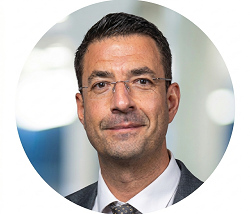
Prof. Milan Đorđević
School of Computer Science, UOWD Building, Dubai Knowledge Park
Title: How Computers See: Convolutional Neural Networks for Medical Image Understanding
Abstract
This presentation begins with how computers “see” by converting images into numerical pixel grids and using Convolutional Neural Networks (CNNs) to learn visual patterns at multiple levels, from edges and textures to complex structures. CNNs apply convolution, non-linear activation, and pooling to build increasingly abstract feature representations suitable for classification and detection tasks. Within this framework, we highlight pneumonia detection from pediatric chest X-ray images as an example of how learned features can distinguish healthy from diseased lungs and support early, consistent
clinical decision-making in real-world healthcare environments.
Biography
Dr. Milan Đorđević is an academic with 15 years of experience in higher education and research. Dr. Dordevic is an Associate Professor in Computer Science at University of Wollongong in Dubai (UOWD), previously he held a Faculty position at Higher Colleges of Technology (HCT) in UAE. Prior to this, he was at the American University of the Middle East in Kuwait as Associate Professor and the University of Primorska in Slovenia. His research spans artificial intelligence, machine learning, and optimization algorithms, with a strong focus on applied computing in industrial domains. Dr. Dordevic has authored over 40 research papers published in international journals and conferences and has contributed to several high-impact research projects. He holds a PhD in Computer Science from the University of Primorska, specializing in evolutionary algorithms and combinatorial optimization. Throughout his career, Dr. Dordevic has successfully led and participated in more than 10 research projects, focusing on areas such as misinformation detection, AI applications, and computational intelligence. His academic contributions extend beyond research, as he actively engages in mentoring students, organizing conferences, and serving on technical committees.
Prof. Aleksandar Kartelj
The Faculty of Mathematics, University of Belgrade
Title: Navigating Large Combinatorial Search Spaces: From Classical Optimization to Topological and Neural Methods

Abstract
Large combinatorial search spaces arise in many NP-hard optimization problems, where classical metaheuristics such as variable neighborhood search and genetic algorithms have shown long-term effectiveness. These methods rely on carefully designed neighborhoods and perturbations but often ignore deeper structural properties of the search space. This talk presents two complementary extensions of classical optimization. The first enforces topological regularities to guide exploration and stabilize search trajectories. The second integrates neural models to learn search patterns and bias optimization dynamics. Neural guidance naturally complements classical heuristics and hybrid frameworks, including integer linear programming based methods, leading to more adaptive and scalable optimization strategies.
Biography
Aleksandar Kartelj is an associate professor of computer science at the Faculty of Mathematics, University of Belgrade. His research focuses on optimization and data mining, with strong expertise in designing advanced metaheuristic and exact optimization methods, including integer programming, genetic algorithms, and variable neighborhood search.
He has authored over 50 scientific papers, many in top-tier journals, and his work emphasizes the integration of metaheuristic design with machine learning techniques, particularly in areas such as symbolic regression and solving complex NP-hard problems across domains like computational biology, logistics, and social networks.
Beyond academia, he actively bridges theory and practice through applied AI systems and optimization-driven solutions, combining rigorous algorithmic design with modern machine learning approaches.
Prof. Uroš Marković
School of Electrical Engineering, University of Belgrad, Serbia
Title: A Comparison of Selected Emerging Computing Paradigmsfor the Floating Point Matrix Multiplication

Abstract
General Matrix Multiplication (GEMM) is the cornerstone of moderncomputational workloads, from scientific simulations with big data, all the waytogenerative AI. Understanding GEMM’s cross-platform performance is critical, as global investment in AI-driven architectures is essential for further developments inthe field. This work analyzes floating-point GEMM kernels across a set of diversecomputing paradigms, addressing the unique constraints of each one. We evaluatesingle- and multi-core CPU implementations, CUDA-based GPU kernels for many- core processing, and data-flow architectures utilizing Google’s TPU. Additionally, wepresent a sketch of a stream-based kernel for the FPGA approach of Maxeler. This comparative study provides insights into optimizing this deceptively complexalgorithm, concluding with an overview of emerging hardware trends and future workimprovements.
Biography
Uroš Marković is a Software Engineer at AMD, where he focuses on theend- to-end performance of state-of-the-art AI models on Radeon productsthrough the most popular industry frameworks. His professional backgroundincludes experience working across a diverse range of accelerator architectures, including contributing to the development of the GLOWcompiler for the Hexagon processor. Uroš is currently pursuing a Master’s degree specializing in compilers andaccelerators, with a research focus on utilizing MLIR to bridge thegapbetween high-level software frameworks and high-performance hardwarebackends. He maintains a deep interest in hardware architectures, acceleration, and advanced compiler areas.
Prof. Branislav Bajat
University of Belgrade, Faculty of Civil Engineering, Department of Geodesy and Geoinformatics, Belgrade, Serbia
Title: Application of Artificial Intelligence in Spatial Data Science

Abstract
The rapid expansion of spatial data, driven by advances in satellite technologies, sensor networks, and location-based services, has created new opportunities for understanding
complex spatial phenomena across domains such as urban systems, environmental monitoring, and infrastructure management. At the same time, the volume, velocity, and heterogeneity of such data exceed the capabilities of traditional analytical approaches. In this context, Artificial Intelligence (AI) has emerged as a key enabler for transforming raw spatial data into actionable knowledge.
This work explores the application of AI techniques within Spatial Data Science, with an emphasis on real-world applications and integrative methodologies aligned with
contemporary AI research and practice. The paper examines how machine learning methods (e.g., Random Forest, Support Vector Machines) and deep learning approaches (e.g., Convolutional Neural Networks) can be effectively utilized for spatial prediction, classification, and pattern recognition tasks, particularly in the analysis of remote sensing data and geospatial imagery. Furthermore, the concept of Geospatial Artificial Intelligence (GeoAI) is discussed as a unifying framework that integrates AI, Geographic Information Systems (GIS), and large-scale data infrastructures, enabling scalable and automated solutions.
However, the application of AI in spatial domains also introduces specific challenges, including spatial autocorrelation, data scarcity and quality issues, model interpretability, and transfer learning. Addressing these challenges is essential for ensuring the reliability and responsible deployment of AI-based spatial systems. Special attention is given to application domains that reflect current priorities in applied AI research, including urban planning, environmental sustainability, disaster risk management, real estate assessment, and precision agriculture. In these contexts, AI-driven spatial models support decision-making processes through tasks such as change detection, resource optimization, and real-time monitoring. These contributions are consistent with the growing need for AI systems that address practical challenges across industry, government, and society.
Biography
Prof. Dr. Branislav Bajat is a Professor at the University of Belgrade Faculty of Civil Engineering, Department of Geodesy and Geoinformatics. His main research area is the application of novel spatial and spatio-temporal statistical methodologies in geosciences and environmental disciplines. His experience includes the application multi- and interdisciplinary research on spatial knowledge in environmental sciences; Geospatial AI (GeoAI) research based on commercial and open source tools; application of data mining and machine learning techniques to spatio-temporal data. He is recognized as one of the leading experts in open geospatial technologies in the region. Prof. Bajat is experienced in relevant subjects through his involvement and participation in European, bilateral and national projects.
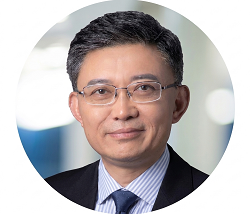
Prof. Yun Li FIEEE
Industrial Artificial Intelligence Centre (i4AI Centre); Shenzhen Institute for Advanced Study, UESTC, Shenzhen 518110, China
Title: Embodied Intelligence and World Models
Abstract
Today, the artificial intelligence (AI) large model is forging towards the physically-aware world-based model, spawning embodied intelligence. This talk covers the evolution of World Models and their role in Embodied Intelligence, as well as “AI for Engineering” for industrial innovation. The talk starts from AI Models based on the Artificial Neural Network (ANN), the Kolmogorov-Arnold Network (KAN), the large language model (LLM), the vision-language-action (VLA) model, and the state-space model (SSM). Together with nature-inspired computing, they help elevate “Computer-Aided Design” (CAD) in the third paradigm of science to “Computer-Automated Design” (CAutoD) in the fourth. This facilitates breaking through the intelligence limits of human engineers, whereby enlightening original creativity, enhancing design performance, and shortening development cycles. While the LLM-based AI is shifting to the world-based AI just now, a question arises as to how the next generation of AI and EI models may address real-world generalisation in a changing condition, a topic that is also to be discussed.
Biography
Yun Li FIEEE served as an intelligent systems engineer at UK National Engineering Laboratory in 1989 while pursuing his PhD at University of Strathclyde, both in Glasgow, Scotland. During 1991-2018, he taught at University of Glasgow, where he supervised 30 PhD students on “AI for Engineering”, was recognized as the University’s second Top Author, and served as Founding Director of University of Glasgow Singapore. Later, he founded the Industrial Artificial Intelligence Centre and currently also serves as its Chief Scientist, at Shenzhen Institute for Advanced Study, University of Electronic Science and Technology of China, where he is Changjiang Chair Professor. Prof Li has been funded over 40 million pounds to lead or co-lead 40 research projects in the UK, EU, Singapore, and China. He holds over 40 patents in China, Europe, United States and Japan, and has published 400 papers and books, one of which used AI to help discover and solve problems of the most proliferate industrial controller (PID), attracting over 4500 citations and being constantly ranked No. 1 by IEEE Transactions on Control Systems Technology almost every month.
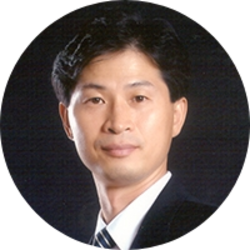
Prof. Kyoung Mu Lee
Dept. of ECE, Seoul National University (SNU), Seoul, South Korea
Title: –
Abstract
Biography
Prof. Kyoung Mu Lee (Fellow, IEEE) is currently the Editor-in-Chief (EiC) of the IEEE Transactions on Pattern Analysis and Machine Intelligence (TPAMI); He is a distinguished professor at Seoul National University (SNU). He was the director of the Interdisciplinary Graduate Program in SNU. He is an Advisory Board Member of the Computer Vision Foundation (CVF). He was a Distinguished Lecturer of the Asia-Pacific Signal and Information Processing Association (APSIPA), from 2012 to 2013. He has received several awards, in particular, the Medal of Merit and the Scientist of Engineers of the Month Award from the Korean Government, in 2018 and 2020, respectively; the Most Influential Paper Over the Decade Award by the IAPR Machine Vision Application, in 2009; the ACCV Honorable Mention Award, in 2007; the Okawa Foundation Research Grant Award, in 2006, and the SNU Excellence in Research Award in 2020. He has also served as a General Chair for ICCV2019, ACMMM2018, and ACCV2018; and an Area Chair for CVPR, ICCV, and ECCV many times. He is the founding member and served as the President of the Korean Computer Vision Society (KCVS). Prof. Lee is a Fellow of IEEE, a member of the Korean Academy of Science and Technology (KAST) and the National Academy of Engineering of Korea (NAEK).
Prof. Emil Jovanov
The University of Alabama in Huntsville
Title: Seamless Health Intelligence: AI-Driven Internet of Medical Things for Ubiquitous Physiological Monitoring

Abstract
Advances in artificial intelligence (AI) and the Internet of Medical Things (IoMT) are enabling a paradigm shift from episodic clinical measurements to continuous, real-time health monitoring in everyday environments. This talk presents an integrated framework for seamless physiological monitoring using multimodal sensors embedded in objects of daily use—an approach referred to as “Smart Stuff.” By combining photoplethysmography (PPG), electrocardiography (ECG), bioimpedance, and video-based sensing, the system enables unobtrusive assessment of key health indicators, including blood pressure, blood glucose trends, cardiac activity, and autonomic nervous system dynamics. AI-driven signal processing and machine learning models fuse heterogeneous data streams to extract clinically relevant features, detect anomalies, and provide personalized feedback. As a representative example, the talk highlights the development of a smart water bottle equipped with integrated physiological sensors, enabling continuous monitoring during routine daily activities. This approach demonstrates the potential of ubiquitous, seamless monitoring to transform preventive healthcare and support scalable, patient-centered medical systems.
Biography
Dr. Emil Jovanov is a Professor Emeritus in the Electrical and Computer Engineering Department at the University of Alabama in Huntsville. He received his Dipl. Ing. and M.S. degrees in Electrical Engineering, and Ph.D. in Computer Engineering from the University of Belgrade. He is recognized as the originator of the concept of wireless body area networks for health monitoring and is a leading researcher in wearable health monitoring and the Internet of Medical Things. Dr. Jovanov was elected IEEE Fellow for his contributions to wearable health monitoring systems and National Academy of Inventors (NAI) Fellow for pioneering work in wearable body area networks, mobile health, and innovative healthcare applications. He is a member of IEEE EMBS Technical Committee on Wearable Biomedical Sensors and Systems, and serves as Associate Editor of IEEE Transactions on Biomedical Engineering, IEEE Open Access Journal of Engineering in Medicine and Biology, and IEEE Journal of Biomedical and Health Informatics. He has published over 240 peer-reviewed papers, 20 book chapters, and holds 16 U.S. patents. Dr. Jovanov’s innovations, including smart sensing systems such as the smart pill bottle and smart hydration monitoring devices, have been commercialized and widely recognized, including the 2013 Healthcare Innovation World Cup and the 2014 Innovator of the Year Award. His research focuses on AI-enabled ubiquitous health monitoring and seamless integration of physiological sensing into everyday life. Dr. Jovanov is passionate about leveraging technology to enhance wellness and improve quality of life.
Prof. Rade Hajdin
Faculty of Civil Engineering, University of Belgrade, Serbia
Title: Application of AI in Management of Transportation
Infrastructure

Abstract
Management of transport infrastructure refers to a systematic set of activities that support decision-making for the maintenance and improvement of infrastructure assets, ensuring their long-term, uninterrupted operation. It includes condition monitoring and the planning of optimal maintenance strategies. Transport infrastructure management is a highly data-intensive field, and the need for digitalization was recognized as early as the 1970s. Over the last decade, the potential of artificial intelligence to support and enhance the management of transportation infrastructure has been increasingly recognized and progressively realized. Three major areas of application are either close practical implementation or already in use: inventory acquisition, with a particular focus on BIM; damage detection and the processing of inspection findings and monitoring results; and the extraction of information from unstructured documents, such as reports, testing protocols, and related records. In the area of inventory acquisition, neural networks are used to identify and extract infrastructure objects from point clouds and technical drawings. Inspections and condition surveys can also be greatly facilitated by neural networks, which support the detection of damage in terms of both severity and extent. In addition, large language models are increasingly used to extract relevant information on the condition of infrastructure assets from testing protocols and reports. Finally, recent research on the application of physics-informed neural networks to the reassessment of bridges will also be presented.
Biography
Prof. Dr. Rade Hajdin, born in 1961, holds a Ph. D. degree from ETH Zurich. In 2001, after more than 7 years in the private industry mostly as managing partner, Dr. Rade Hajdin was appointed as Visiting Associate Professor at the University of Pennsylvania and was responsible for teaching and research in area of Infrastructure Management. From 2003 he is president of Infrastructure Management Consultants LLC., a leading consultancy in field of conceptualizing, developing, and implementing Management Systems. Dr. Hajdin is also Professor at the University of Belgrade, responsible for Ph. D. mentoring and consulting in developing a framework for management systems. Dr. Hajdin is active in professional societies, chairing a Technical Committee 4 “Civil and Geotechnical Engineering” of Swiss Association of Transport Professionals (VSS) and past chair of IABSE (Internation Association of Bridge and Structural Engineering) Commission on “Existing Structures”
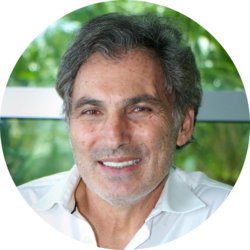
Prof. Borko Furht
Florida Atlantic University, Boca Raton, Florida, USA
Title: Industry-Sponsored AI Research: Recent Projects from the NSF IUCRC CAKE Center
Abstract
In this talk, we present recent research projects conducted as part of the National Science Foundation (NSF) Industry/University Cooperative Research Center (IUCRC) for Advanced Knowledge Enablement (CAKE) at Florida Atlantic University in Boca Raton, Florida. Since its establishment in 2009, 46 companies have joined the Center, and 65 research projects have been successfully completed. This presentation highlights three representative projects funded by NSF, the National Institutes of Health (NIH), and private industry.
The first project, Development of an ML/AI-Based Demand Forecasting Model for Aviation Parts, addresses critical challenges in spare-parts inventory management within the aviation industry, with a particular focus on forecasting intermittent demand. The primary objective was to improve inventory efficiency by reducing operational costs while ensuring high availability and reliability of essential components. Advanced machine learning techniques, including deep learning models, were applied to enhance forecasting accuracy and optimize inventory planning.
The second project, funded by the National Institutes of Health (NIH), focuses on Designing and Testing a Driving Device and Methods for Detecting Cognitive Changes in Drivers. The system integrates in-vehicle sensors, including GPS and engine signals, along with multiple cameras to monitor driving behavior. Advanced AI models were developed to analyze sensor and video data and detect driving anomalies such as inconsistent braking patterns and atypical route deviations, which may serve as early indicators of cognitive decline.
The third project, Machine-to-Machine Video Coding Applications, funded by NSF and OP Solutions Corporation, presents highly efficient AI-optimized methods for machine-to-machine video transmission. These methods support applications such as autonomous vehicles, surveillance systems, robotic communications, and other intelligent systems requiring real-time, high-efficiency video exchange.
These projects demonstrate the Center’s strong commitment to developing innovative AI-driven solutions that address real-world challenges across multiple industries, including aviation, healthcare, and intelligent communications.
Biography
Prof. Borko Furht is a Professor in the Department of Electrical & Computer Engineering and Computer Science (CEECS) at Florida Atlantic University (FAU) in Boca Raton, Florida. He also serves as the Director of the NSF-sponsored Industry/University Cooperative Research Center on Advanced Knowledge Enablement at FAU. From 2010 to 2013, he chaired the CEECS Department, and from 2002 to 2009, he led the Computer Science and Engineering Department at FAU. Additionally, from 2006 to 2008, he served as Senior Assistant Vice President for Engineering and Technology at FAU. Before joining academia, he held leadership roles in industry, including Vice President of Research and Senior Director of Development at Modcomp, a Daimler-Benz-owned technology company in Fort Lauderdale. He was also a professor at the University of Miami and a senior researcher at the Institute Boris Kidrič-Vinča in Yugoslavia. Professor Furht earned his Ph.D. in Electrical and Computer Engineering from the University of Belgrade. His research spans multimedia systems, big data, video coding, wireless multimedia, cloud computing, and social networks.
As Principal Investigator (PI) and Co-PI, he has led multiple multi-year, multi-million-dollar projects, securing $25 million in funding from agencies such as the NSF, NIH, Department of Navy, DoD, and NASA, as well as private-sector leaders like IBM, Google, Apple, LexisNexis, Motorola, and Emerson. He is the author of numerous books and research articles in multimedia, computer architecture, real-time computing, and operating systems. He holds 125 U.S. and international patents in video coding, with 13 patents being essential to the new VVC/H.266 video coding standard. Professor Furht is the founder and Editor-in-Chief of the Journal of Multimedia Tools and Applications (Springer) and co-founder of the Journal of Big Data (Springer). His contributions have earned him multiple technical and publishing awards, as well as consulting roles with companies such as IBM, Hewlett-Packard, Xerox, General Electric, NASA, JPL, Honeywell, and RCA.
Recognized as FAU’s Researcher of the Year in 2013 and 2019, he also received the FAU President’s Award for Career Achievements in 2024. He has served as Chairman and Director on the Board of several high-tech companies and has worked as an expert witness for Cisco, Qualcomm, Adobe, and Bell Canada. He is a member of the European Academy of Science (Academia Europaea) and serves as Special Advisor for Technology and Innovation for the United Nations Global Millennium Development Foundation.
Prof. Zoran Bosnić
University of Ljubljana, Ljubljana, Slovenia
Title: Educating humans in the age of artificial intelligence
Abstract
Artificial intelligence is changing not only how students learn, but also what society expects from future graduates. As AI systems increasingly automate cognitive tasks once associated with highly educated professionals, universities are being forced to rethink the relationship between knowledge, employability, creativity, and human expertise. This keynote will explore how generative AI is reshaping higher education through changes in student learning habits, teaching practices, assessment methods, academic integrity, and curriculum design, while also raising broader questions about the future role of universities in society. The lecture will discuss which human competencies may become more valuable in the age of AI, including critical thinking, interdisciplinary reasoning, communication, adaptability, and responsible use of intelligent systems, and how educational institutions can respond to rapid technological and societal transformation. The keynote will conclude with the presentation of the joint European master’s programme EMAI as an example of an international, interdisciplinary, and forward-looking educational model designed to prepare students for the emerging AI-driven world.
Biography
Prof. Zoran Bosnić received his Ph.D. from the University of Ljubljana, Slovenia in 2007. Currently, he is the head of the Chair of Artificial Intelligence at the Faculty of Computer and Information Science, University of Ljubljana. His main research is focused on machine learning, more specifically on the development of individual prediction reliability estimates, incremental learning from data streams along with concept drift detection, recommender systems, and various machine learning applications, especially in medicine, biochemistry, and insurance. In the recent period, he was involved with several medical projects, focused on cardiomyopathy risk stratification and cognitive disease predictions. Other major recent H2020 projects include SILICOFCM (In Silico trials for drug tracing the effects of sarcomeric protein mutations leading to familial cardiomyopathy) and AgroIT (Increasing the efficiency of farming through on open standards).
He serves as an editorial board member for two SCI journals: Intelligent Data Analysis (IDA) and ComSIS. His interdisciplinary teaching interests combine leading several courses: Introduction to Artificial Intelligence, Functional Programming, Computer Communications, Scientific publishing, and Incremental Learning from Data Streams. He received several teaching awards and an Honorary diploma for outstanding pedagogical and research achievements from the University of Ljubljana.
Prof. David Naccache
Fakultet inženjerskih nauka Univerziteta u Kragujevcu, Serbia and DI ENS, École Normale Supérieure, PSL, CNRS,75005, Paris, France
(common work with Hadrien Barral, Gabriel Doriath Döhler and Aleksa Veličković)
Title: LLMs as Partners in Conjecture Discovery

Abstract
This paper describes an experiment during which we successfully derived a nontrivial mathematical relation with the help of an off-the-shelf Large Language Model (LLM).
Our goal was to assess to what extent commercially available LLMs could be used for mathematical formula reconstruction.
We hence constrained ourselves to:
- Use claude-sonnet-4-20250514 as is, i.e. avoid any ad hoc training.
- Use OEIS oeis.org), manually or through its API, to identify integer sequences encountered during the exploration.
- Target a nontrivial relation.
The intuition behind our experiment was that, despite their propensity for hallucination, LLMs demonstrate remarkable pattern recognition capabilities. The LLM’s ability to repeat tedious operations and identify conceptual similarities was expected to detect patterns incompatible with human attention when massive amounts of individual experiments are to be conducted. The data processed during our experiments was assumed to follow some unknown logic but also present sporadic exceptions. We stress that our goal was not rigorous proofs but rather the exact formalization reverse-engineering of the underlying unknown logic.
We end-up with both a formal resolution process by a human and an algorithm found, with the LLM’s help, for deriving identical results. We did not formally prove the equivalence between the two results.
This paper describes the discovery process.
Biography
Prof. David Naccache heads the ENS’ Information Security Group. His research areas are code security, forensics, experimental mathematics, AI for security and the automated and the manual detection of vulnerabilities. Before joining ENS Paris (PSL) he was a professor during 10 years at Université Panthéon-Assas. He previously worked for 15 years for Gemplus (now Thales), Philips (now Oberthur) and Thomson (now Technicolor). He studied at Université Paris 13 (BSc), Université Paris 6 (MSc), IMAC (Eng), Telecom ParisTech (PhD), Université Paris 7 (HDR), and IHEDN. He is a forensic expert by several courts, the incumbent of the CyberSecurity chair at the Military Academy of the National Gendarmerie. He is a member of the Institut universitaire de France, the inventor of about 180 patent families and the author of more than 300 scientific publications.
Prof. Đorđe Jakovljević
Coventry University, United Kingdom
Title: Artificial Intelligence in Heart Failure: Prevention, Diagnosis, and Cure

Abstract
Biography
Dr. Đorđe Jakovljević is a Professor and Director of Research in Clinical Sciences and Translational Medicine at the Research Centre for Health and Life Sciences of Coventry University, United Kingdom. In 2020 he established Cardiovascular and Translational Medicine Research Group. Between 2009 and 2020, Dr Jakovljevic developed and successfully led research programme in cardiovascular ageing and heart failure under academic mentorship of Professor Sir Doug Turnbull at Faculty of Medical Sciences of Newcastle University. Professor Jakovljevic completed Doctoral training in clinical cardiology and heart failure at Buckinghamshire University and Harefield Hospital under mentorship of Professor David Brodie and Professor Sir Magdi Yacoub. Prior to doctoral training he also completed a MSc (Brunel University, London) and BSc (University of Belgrade, Serbia). Due to excellent academic achievements at undergraduate and postgraduate studies he received several highly prestigious scholarships and awards, including those from the Royal Family and Government of Serbia, Brunel and Buckinghamshire Universities. As a Research Professor and Principal Investigator, Professor Jakovljevic leads the interdisciplinary research team consisting of 17 members (4 PhD students, 4 research fellows, 2 assistant professors, 3 associates professors, 4 professors). Academic achievements to date include: 124 peer reviewed publications, number of citations 5,781 and h-index 41 (GoogleScholar), research funding €9,85m, supervision of 9 PhD and 16 MRes candidates. Professor Jakovljevic has led development and implementation of the Horizon Europe funded €6m STRATIFYHF project (duration 48 months, dates 06/23-05/27) which aims to develop and validate artificial intelligence-based decision support system to improve risk stratification and diagnosis of heart failure in primary and secondary care.
Chief Technology Officer at Supplyframe
Aleksandar Bradić
Siemens Digital Industries Software
Title: Time Series Analysis Meets Large Language Models: Challenges and Opportunities
Abstract
Modern time-series forecasting, especially zero-shot forecasting with LLMs and foundation models, is often framed as a leaderboard problem: compare model families, identify the accuracy winner, and treat progress as the replacement of one dominant architecture by another. This framing is empirically useful but conceptually incomplete. Forecasting systems differ not only in average error, but also in their inductive biases, representations of time, failure modes, and computational costs. In this talk, we propose a framework for modern time-series analysis centered on bias-aware benchmarking, synthetic morphology generation, automated failure-mode discovery, and meta-level forecast selection under explicit accuracy and computational constraints. We hope such a framework can support a clearer understanding of the trade-offs involved in applying modern time-series methods in the foundation-model era.
Biography
Prof. Bharat Bhargava
Professor of CS at Purdue University
Title: Situation Knowledge on Demand (SKOD)

Abstract
The objective of this research is to fuse streaming data from multiple sources and identify rare events to alert the user and meet the mission requirements. The user can ask for specific information or the machine learning system will learn the needs/interest of user and forward new incoming data with a relevance score. Research questions such as trustworthiness of data, variation of data values from same source (such as sensor, video camera, user tweet, police incident report) are addressed due to uncertainty of data accuracy and noise. Application of the machine learning are to assist in security at military bases and the “missing person” problem. When a person is suspected missing police want to find him/her. The same problem arises in amber alerts, prison escapes, and missing children. When an incident report or 911 call arrives in police station, a physical description of the missing person (e.g., white male with medium built wearing a blue shirt, and black jeans) is available. Families may give additional details of missing child. Information such as specific medical conditions such as autism spectrum disorder or clinical depression may be available. This research is also improving the interaction of police with persons with mental issues.
Biography
Bharat Bhargava is a professor of the Department of Computer Science with a courtesy appointment in the School of Electrical & Computer Engineering at Purdue University.
His experience is in conducting research on security and privacy issues in distributed systems. This involves host authentication and key management, secure routing and dealing with malicious hosts, adaptability to attacks, and experimental studies. Related research is in formalizing evidence, trust, and fraud. Applications in e-commerce and transportation security are being tested in a prototype system. Based on his research in reliability, he is studying vulnerabilities in systems to assess threats to large organizations. He has developed techniques to avoid threats that can lead to operational failures.His research has a direct impact on nuclear waste transport, bio-security, disaster management, and homeland security. These ideas and scientific principles are being applied to the building of peer-to- peer systems, cellular assisted mobile ad hoc networks, and to the monitoring of QoS-enabled network domains.
Professor Bhargava is a Fellow of the Institute of Electrical and Electronics Engineers and of the Institute of Electronics and Telecommunication Engineers. He has been awarded the charter Gold Core Member distinction by the IEEE Computer Society for his distinguished service. He received Outstanding Instructor Awards from the Purdue chapter of the ACM in 1996 and 1998. He has graduated the largest number of Ph.D students in CS department and is active in supporting/mentoring minority students. In 2003, he was inducted in the Purdue’s Book of Great Teachers. He serves on seven editorial boards of international journals. He also serves the IEEE Computer Society on Technical Achievement award and Fellow committees. Professor Bhargava is the founder of the IEEE Symposium on Reliable and Distributed Systems, IEEE conference on Digital Library, and the ACM Conference on Information and Knowledge Management.